
Dear Smart & Mercedes-Benz: Please look at the data!
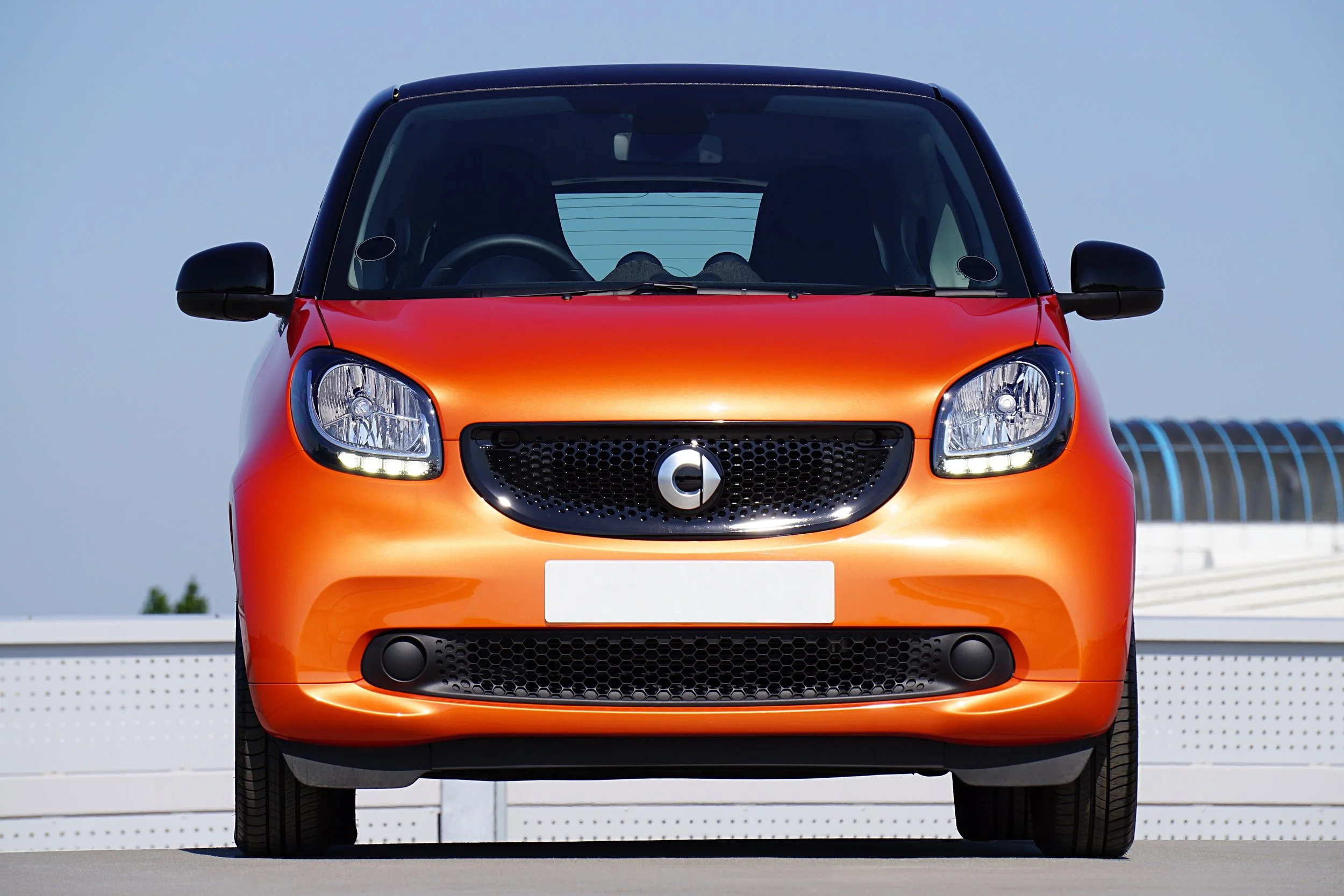
A Gas Powered Smart Fortwo “453” generation
Hello from New York City—where parking spaces are mythical creatures, traffic lights outnumber trees, and somehow, the Smart car still makes perfect sense.
My name is Mark, and I’m a proud Smart 453 owner based right here in NYC. I’m writing this not just as a driver, but as someone who genuinely loves this brand and wants to see it thrive—both globally and here in North America.
I fully understand that Mercedes-Benz and Geely Automotive have an exciting vision for Smart’s future centered around electric mobility. The new generation of Smart vehicles looks sleek, innovative, and perfectly aligned with global sustainability goals.
But here’s the reality from this side of the Atlantic: there’s still massive demand for the gas-powered Smart ForTwo, and it’s not slowing down.
The Gasoline Smart Is Still in High Demand
Even years after production stopped, used Smart cars are selling for close to their original MSRP—sometimes even higher, as can be seen here on CarGurus and Carvana.
That’s not just nostalgia; that’s a clear market signal.
Across the U.S., city drivers from New York to San Francisco still rely on gas-powered Smarts because they fit urban life perfectly. The roadblock for many isn't a lack of interest in going green—it's charging access.
Most of us live in apartments. We don’t have private garages, personal driveways, or reliable public chargers within walking distance. While owning an EV isn’t impossible, it remains highly impractical for millions of renters. For urban apartment dwellers, a gasoline Smart isn’t a luxury—it’s a necessity.
When Electric Became the Only Option, Sales Fell
Smart’s move to go fully electric in 2018 made sense on a global corporate level, but it severely crippled its presence in the U.S.
Once the petrol versions were discontinued, sales dropped sharply, ultimately forcing Smart to withdraw from the American market entirely. It wasn’t that people stopped loving the brand; they simply couldn’t buy a version that worked for their living situation. The EV-only approach alienated one of Smart’s strongest audiences: urban, practical drivers who need real-world flexibility, not just futurism.
Fiat’s Comeback Playbook: Learn from the 500e
Interestingly, Fiat is experiencing a very similar reality check. After reintroducing the electric-only Fiat 500e to the U.S., early sales have been disappointing. The culprit? A combination of EV infrastructure limitations and a lack of powertrain variety.
In response, Fiat recently announced plans to reverse-engineer a hybrid variant of the 500e, bringing back a gas element to balance appeal and practicality. They recognized that the American market as a whole isn't fully ready to cut the cord on gas.
That is a pivotal lesson Smart could—and should—take to heart.
A Smarter Strategy: Electric and Petrol Side by Side
Smart has always represented innovation, efficiency, and creative urban engineering. Offering both a petrol and an electric Smart would give consumers real choices again, opening a viable door for a triumphant U.S. comeback.
Imagine a dual-path strategy:
Electric versions for EV-ready customers and sustainability-forward cities.
Petrol versions for dense urban drivers without reliable access to charging.
This balanced approach would make Smart relevant to the entire automotive mass market again, rather than confining it to a strict niche.
From One Proud Owner to the Smart Team
As someone who weaves a Smart 453 through the chaos of New York traffic daily, I can tell you firsthand: people still notice, still ask questions, and still say the exact same thing:
"I wish they still sold these here."
There is genuine affection for the Smart brand in America. To the teams at Mercedes-Benz and Geely Automotive: please consider bringing back a petrol-powered Smart alongside your growing electric lineup. The market is ready, the fans are waiting, and the demand is real.
With enthusiasm and respect,
Mark
Proud Smart 453 Owner | New York, USA
Would you buy a gas-powered Smart if it returned to the U.S.? Share your thoughts in the comments below, or tag #BringBackThesmarts on Instagram to show your Smart pride!